





Protect and refresh your outdoor furniture with Taubmans! Learn expert tips on cleaning, prepping, and painting to withstand Australia’s weather conditions.
2 min read
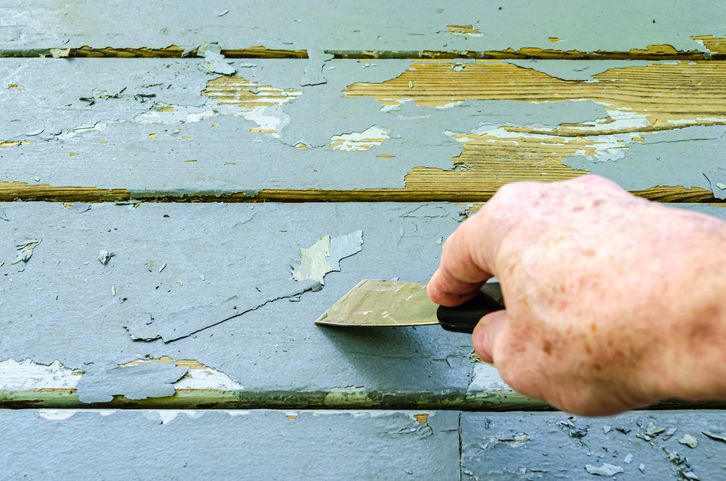
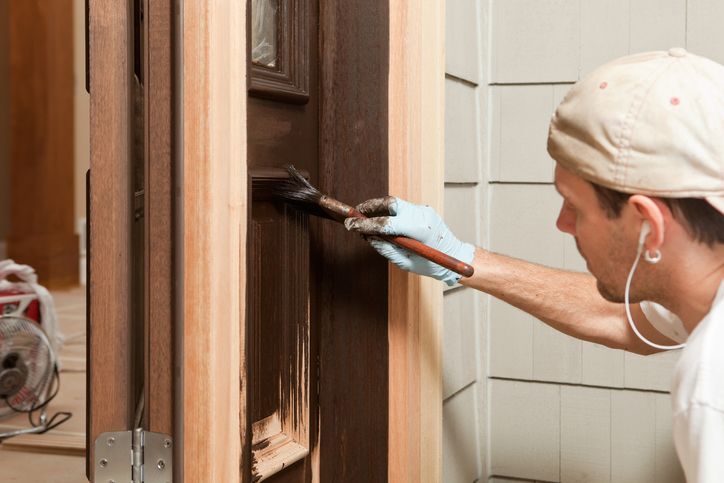
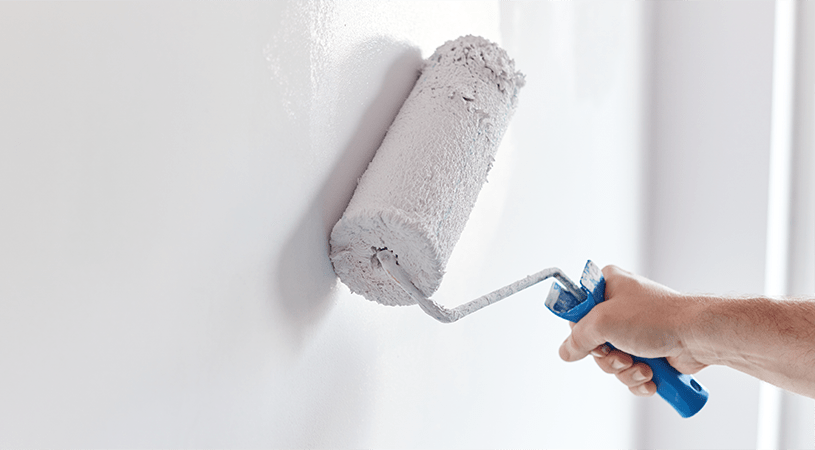
Achieving a durable and aesthetically pleasing paint finish requires attention to detail and proper technique. Flaking, cracking, and wrinkling are common issues that can be avoided with the right approach.
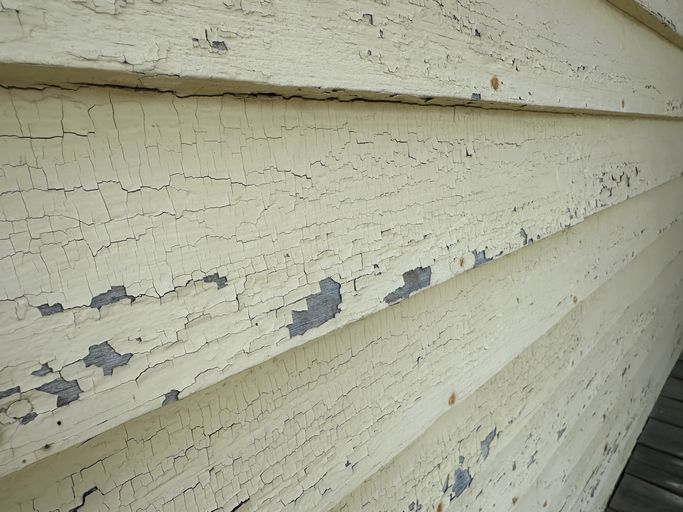
Flaking occurs when paint loses adhesion, often due to inadequate surface preparation or moisture ingress. In Australia’s variable weather, temperature fluctuations can exacerbate this problem.
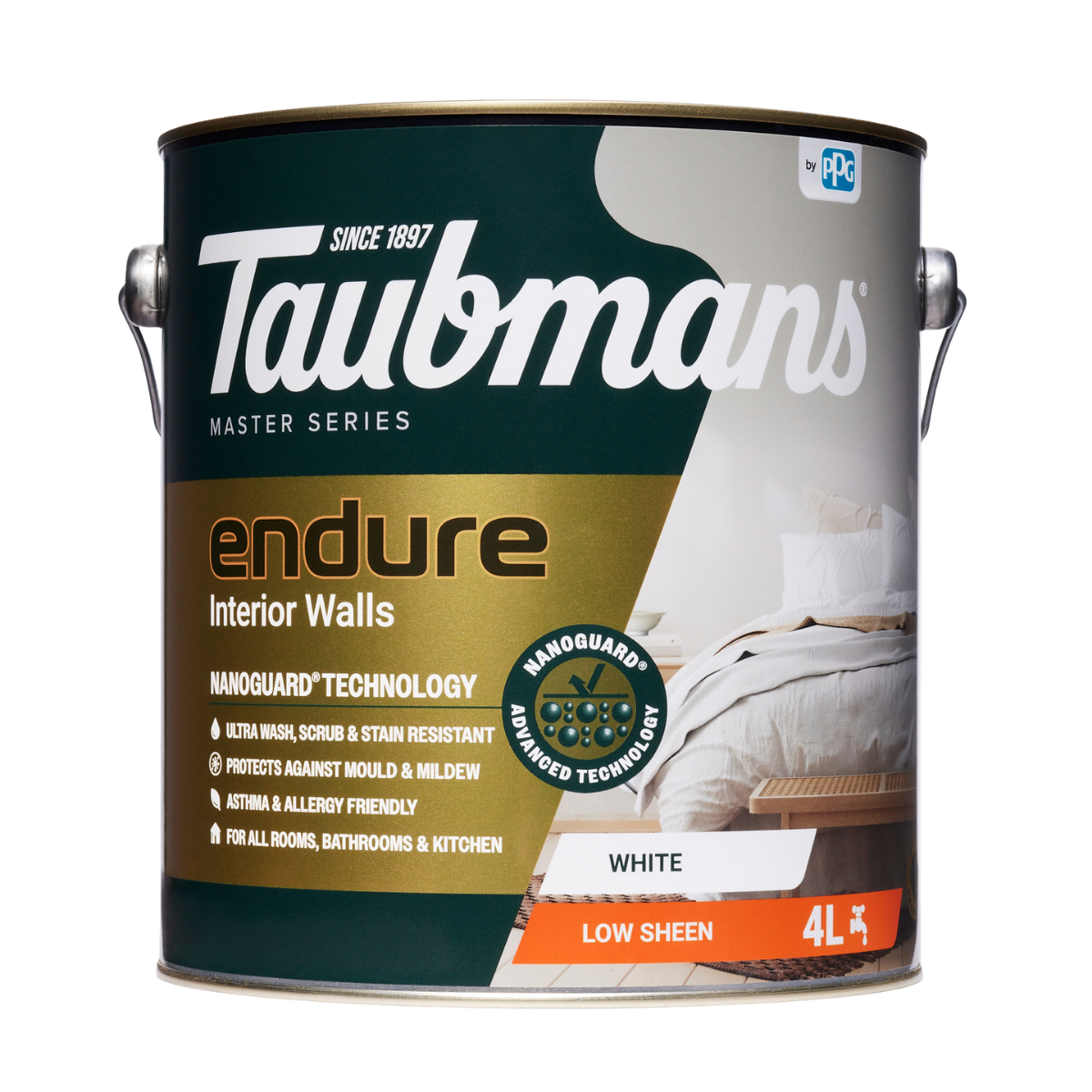
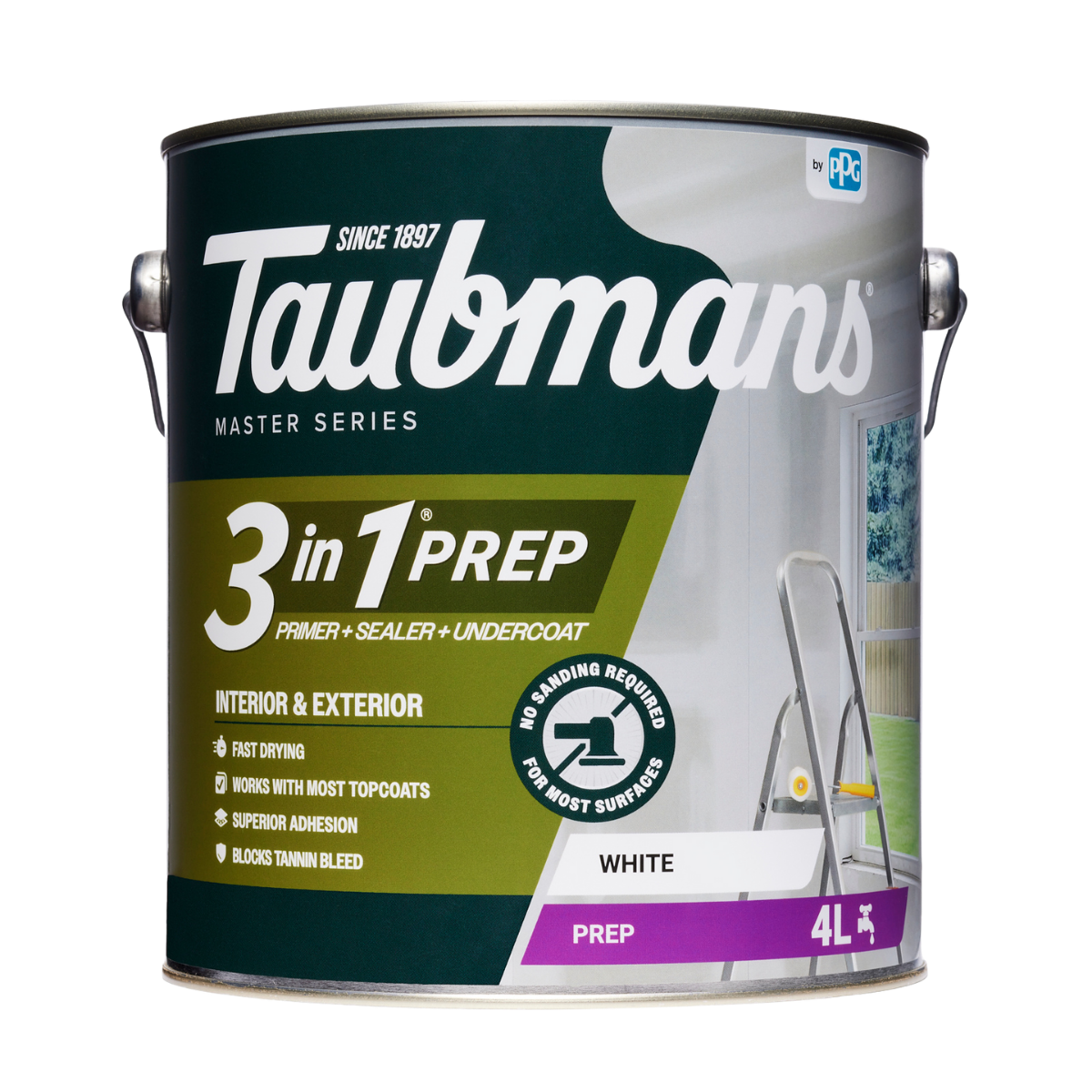
Solution: Remove delaminating paint, sand or scrape the surface thoroughly and apply Taubmans 3 in 1 Prep. For glossy or enamel surfaces, use Advanced Adhesion & Mould Blocker to promote adhesion between coats.

Cracking can result from over-thick application, incompatible coatings, or substrate movement. These issues are particularly prevalent in areas with extreme temperature variations.
Solution: Sand or scrape affected areas to a sound surface. Apply a flexible undercoat like Taubmans Professional Undercoat and ensure compatibility between paint systems. For detailed guidance, review surface compatibility resources via Master Painters Australia.
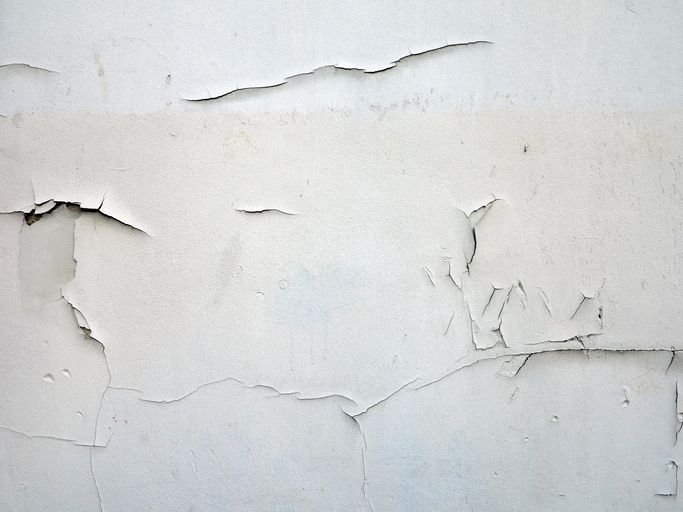
Wrinkling happens when the paint surface dries faster than the underlying layer, often due to high temperatures or heavy application. This is a common concern during summer or when using slow-drying alkyd enamels.
Solution: Apply thin, even coats. Paint within the ideal temperature range (10–35°C), and observe all recoat intervals. Use fast-drying solutions like Tradex Quick Dry for optimal productivity in warm climates.
Compliance Tip: Refer to AS/NZS 2311 standards for painting in temperature-sensitive environments and recommended dry film thicknesses.