


Protect and refresh your outdoor furniture with Taubmans! Learn expert tips on cleaning, prepping, and painting to withstand Australia’s weather conditions.
2 min read
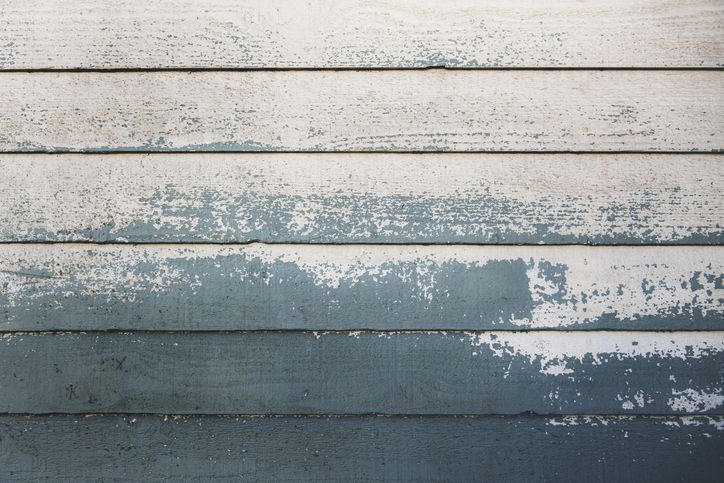
In Australia’s diverse climate, professional painters often encounter substrate-related issues that can compromise the quality of their work. Understanding and addressing problems like bleeding, efflorescence and mould is crucial for long-lasting finishes.
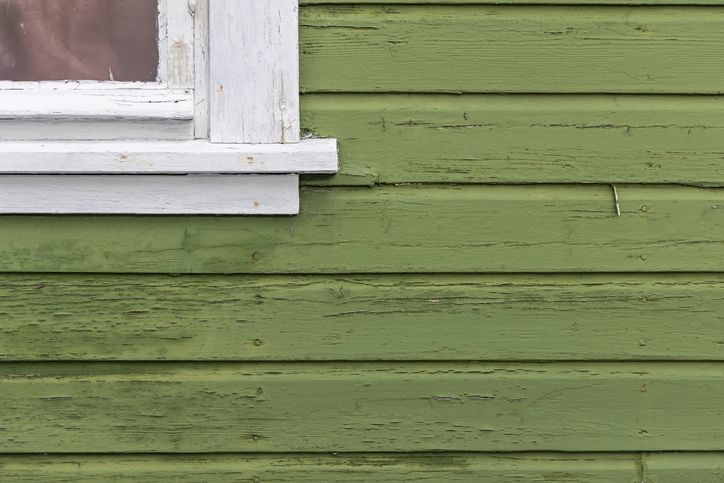
Bleeding occurs when stains such as tannins, nicotine, or rust seep through new paint layers, especially on timber and plaster surfaces. This is common in humid regions like Queensland and older homes across Victoria.
Solution: Use stain-blocking primers like Taubmans Advanced Adhesion & Mould Blocker (water-based) or Tough Stain Blocker (oil-based) depending on the stain type. These products seal in the problem areas and stop migration through the topcoat.

Efflorescence manifests as white, powdery deposits on rendered or masonry surfaces. It results from moisture movement through porous substrates, bringing salts to the surface — a frequent issue in coastal or poorly ventilated properties.
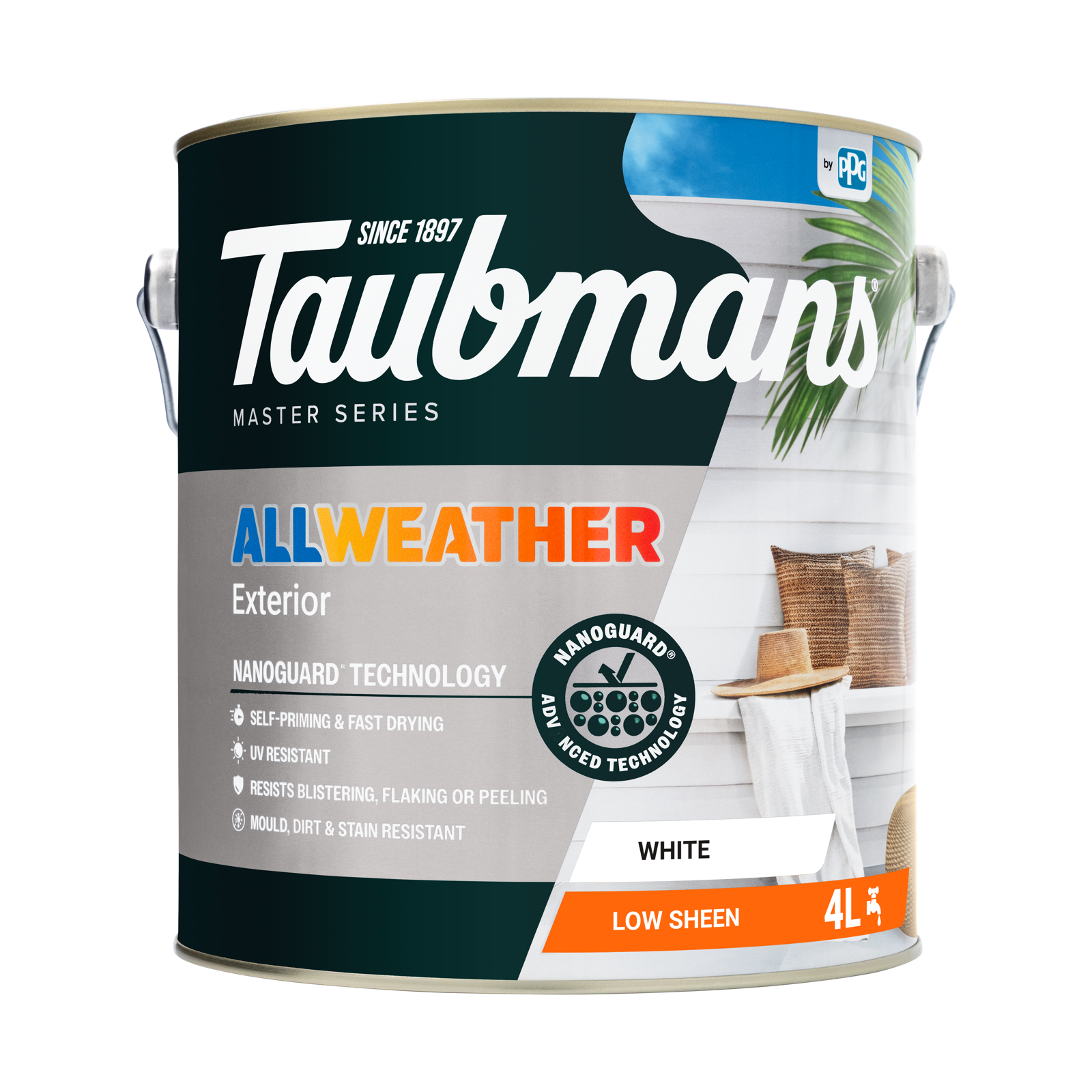
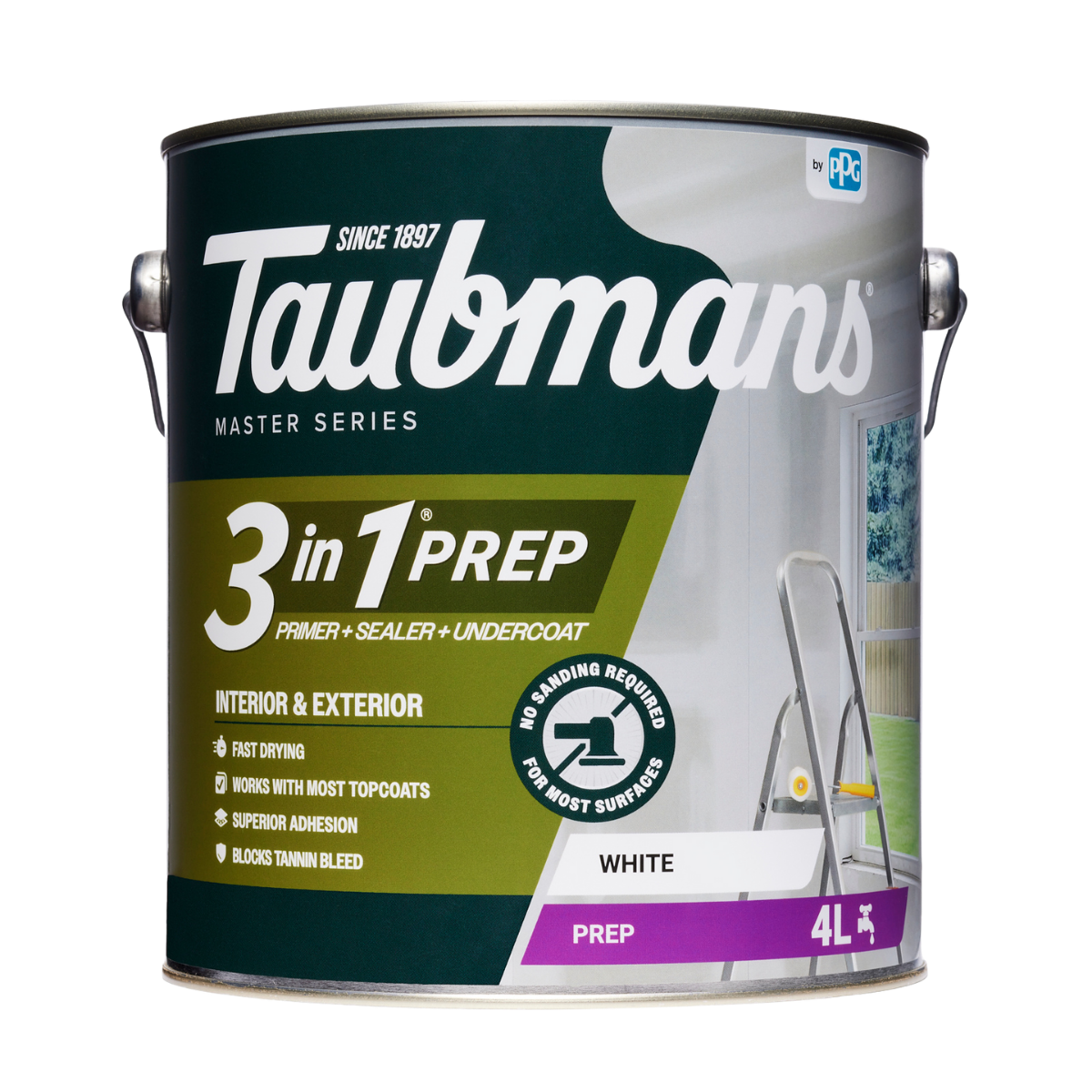
Solution: Let new render cure for at least 28 days. Clean off salt deposits with a wire brush or pressure wash. Prime with a breathable prep coat like Taubmans 3 in 1 Prep and use a self-priming exterior finish like Taubmans All Weather.
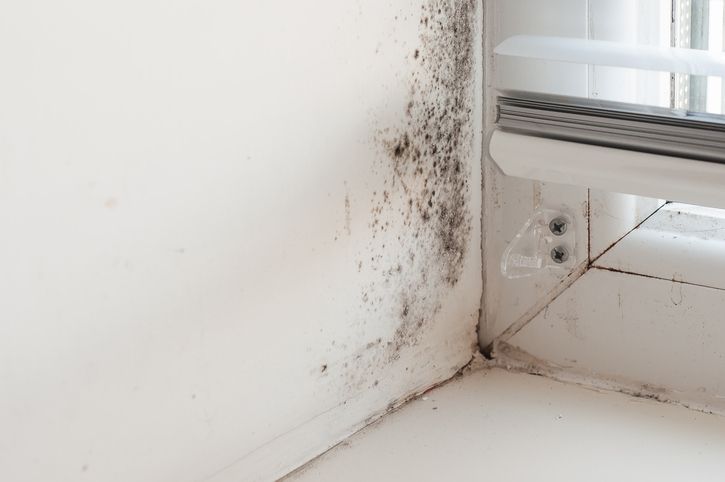
Mould is common in wet areas such as bathrooms and shaded exterior walls, especially in tropical and subtropical climates. It affects appearance and can reduce paint performance.
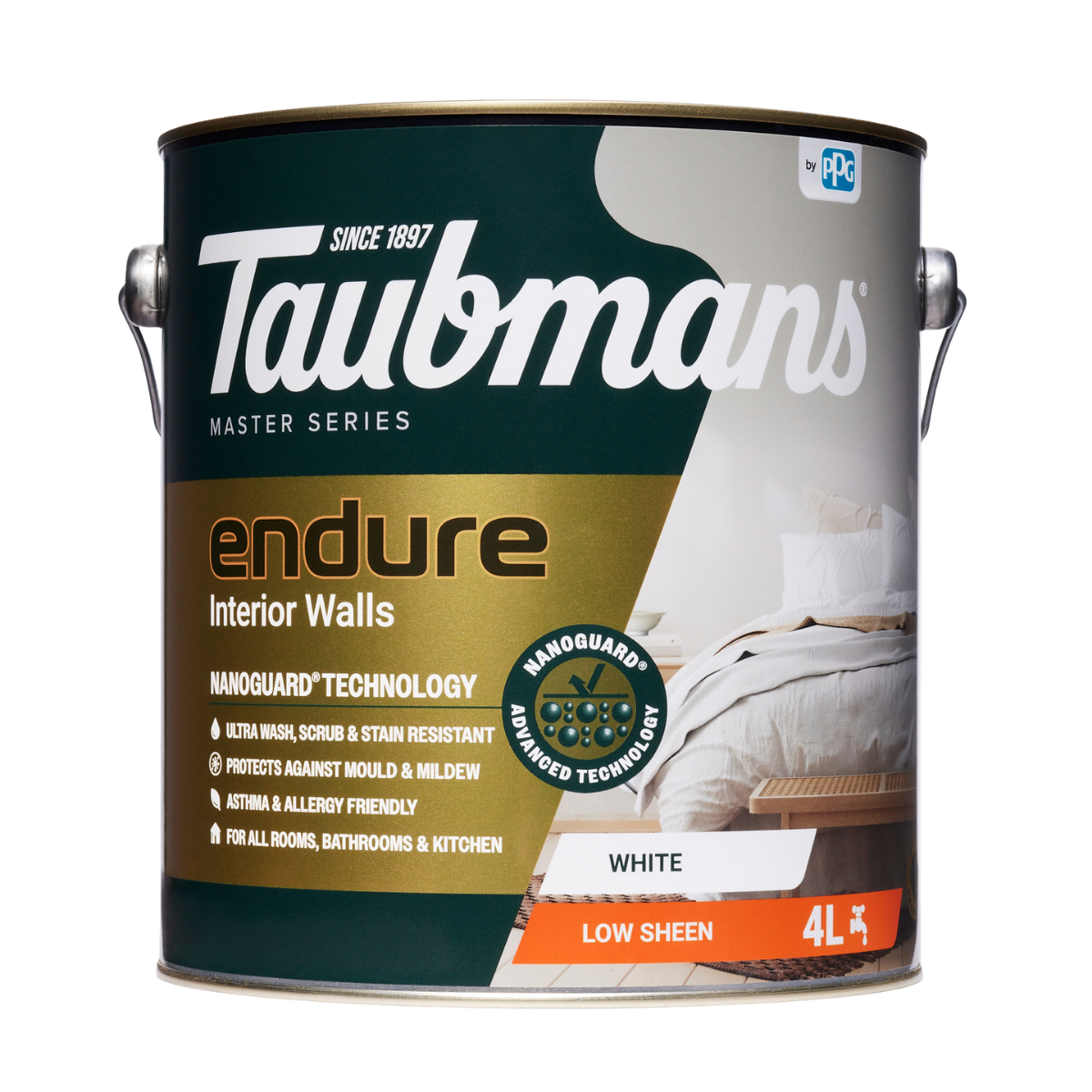
Solution: Clean existing mould using a bleach-based cleaner and rinse thoroughly. Prime with Advanced Adhesion & Mould Blocker for its anti-microbial properties. Use mould-resistant topcoats like Endure Walls or Easycoat All Walls.