

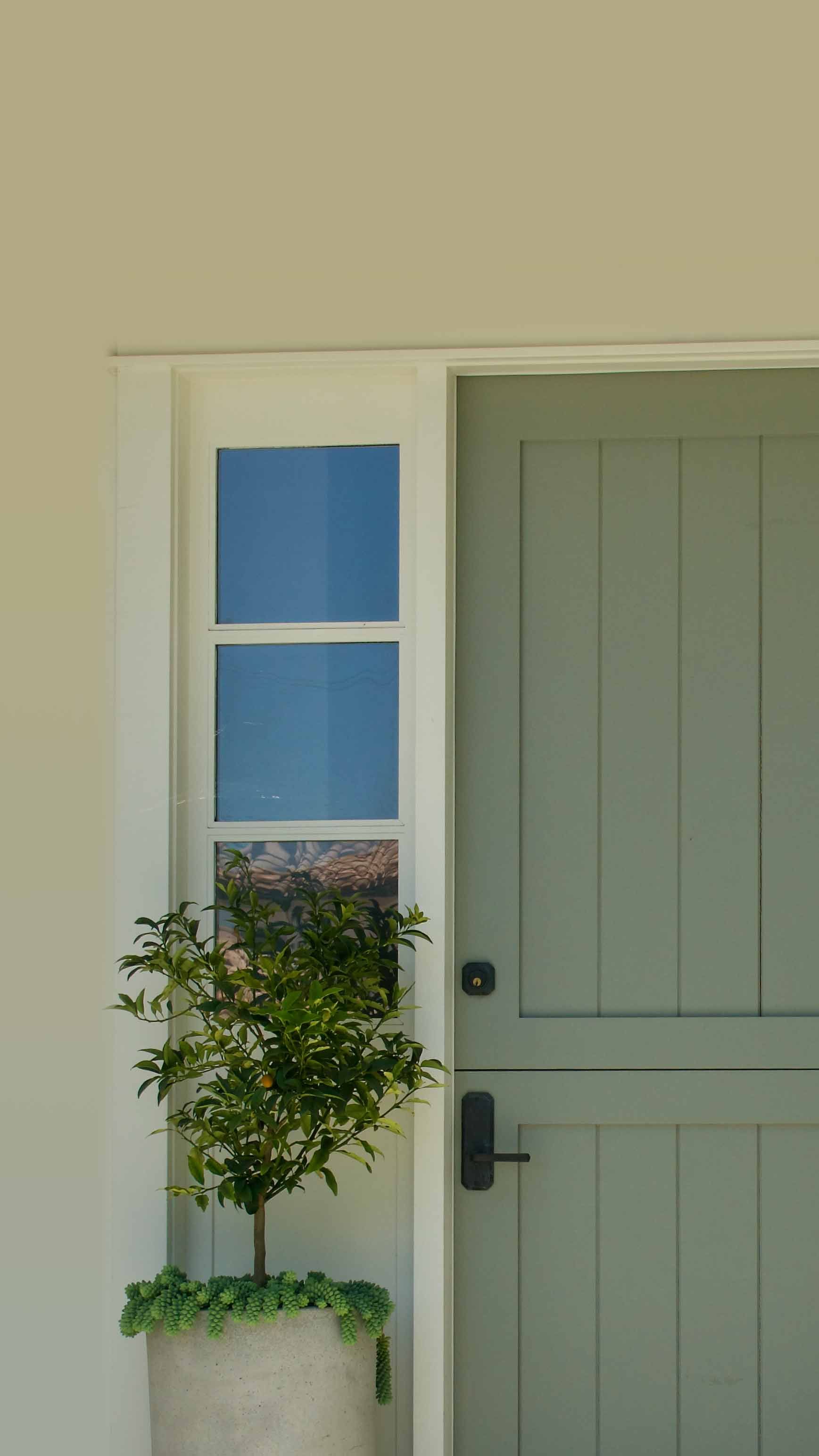





Many of us don’t think about how paint affects our health. We may devote a worried pause when inhaling fumes from a freshly painted room but once that passes, so does the concern.
However, for many people with health conditions such as asthma, allergies, or other sensitivities, the paint you choose can make a significant difference. Low-VOC (volatile organic compounds) and antimicrobial paints minimise the impact on indoor air quality and can help prevent the growth of mould and bacteria, a frequent trigger for conditions such as asthma and allergies. In short, the right paint can contribute to more positive health outcomes.
Taubmans offers a range of high-performance paints that provide safer options for those with health concerns. Keep them in mind when it comes to the wellbeing of pregnant and elderly, young children, immunocompromised, or people with skin conditions.
Breathe easier with low-VOC paints
If you’re not a fan of that "fresh paint smell", you’re not alone.
What you’re breathing in are volatile organic compounds, carbon-based organic chemicals that typically evaporate at room temperature, defined as 20 degrees Celsius (Oxford English Dictionary). Even short-term exposure can cause unpleasant side effects like headaches, dizziness, nausea, and irritation to the eyes, nose, and throat.
Traditional paints, particularly older formulas, contain higher levels of VOCs. These can be more problematic as some have been linked to an increased likelihood of rhinitis in children, asthma, and eczema. Long-term exposure can also contribute to more serious conditions that impact the central nervous system, the liver, kidneys, and an increased risk of cancer. Other symptoms include moodiness, trouble concentrating, and memory impairment.[i]
Luckily, there are plenty of low-VOC formulations available. These paints are formulated to give off fewer fumes and indoor pollutants, reducing harm without compromising on performance. They also make the painting process much more efficient by allowing you to use recently painted rooms much sooner.
[i] https://www.epa.gov/indoor-air-quality-iaq/volatile-organic-compounds-impact-indoor-air-quality
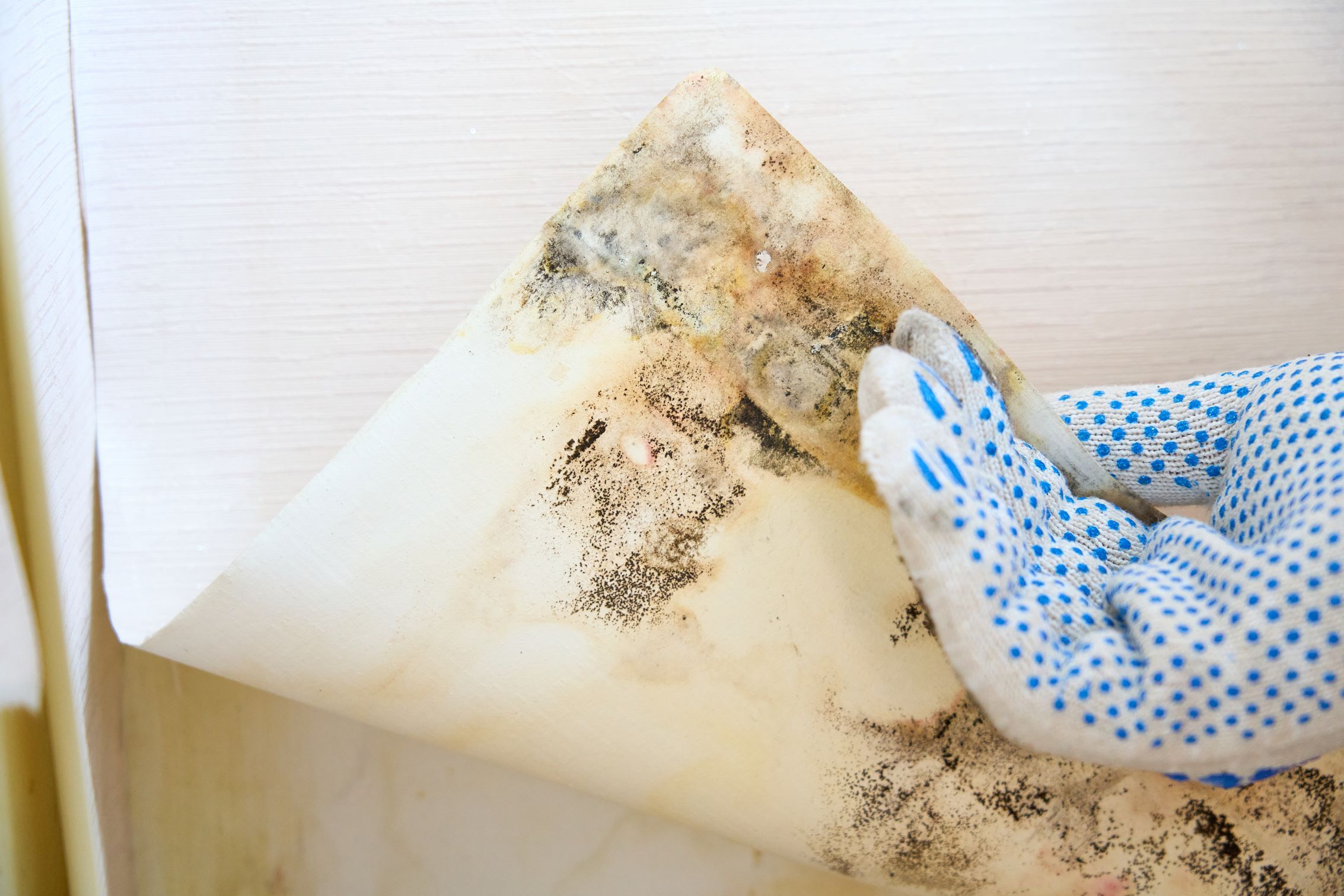
Control mould growth with anti-microbial protection
Mould is a common problem in many Australian homes, often growing in rooms prone to moisture or with limited ventilation, such as bathrooms, ceilings, and kitchens. The spores produced are carried in the air and can cause respiratory problems in people with asthma and allergies. In worst-case scenarios, it can trigger a rare immune disorder called hypersensitivity pneumonitis, where lungs become inflamed, causing fever, cough, chills and shortness of breath.[ii]
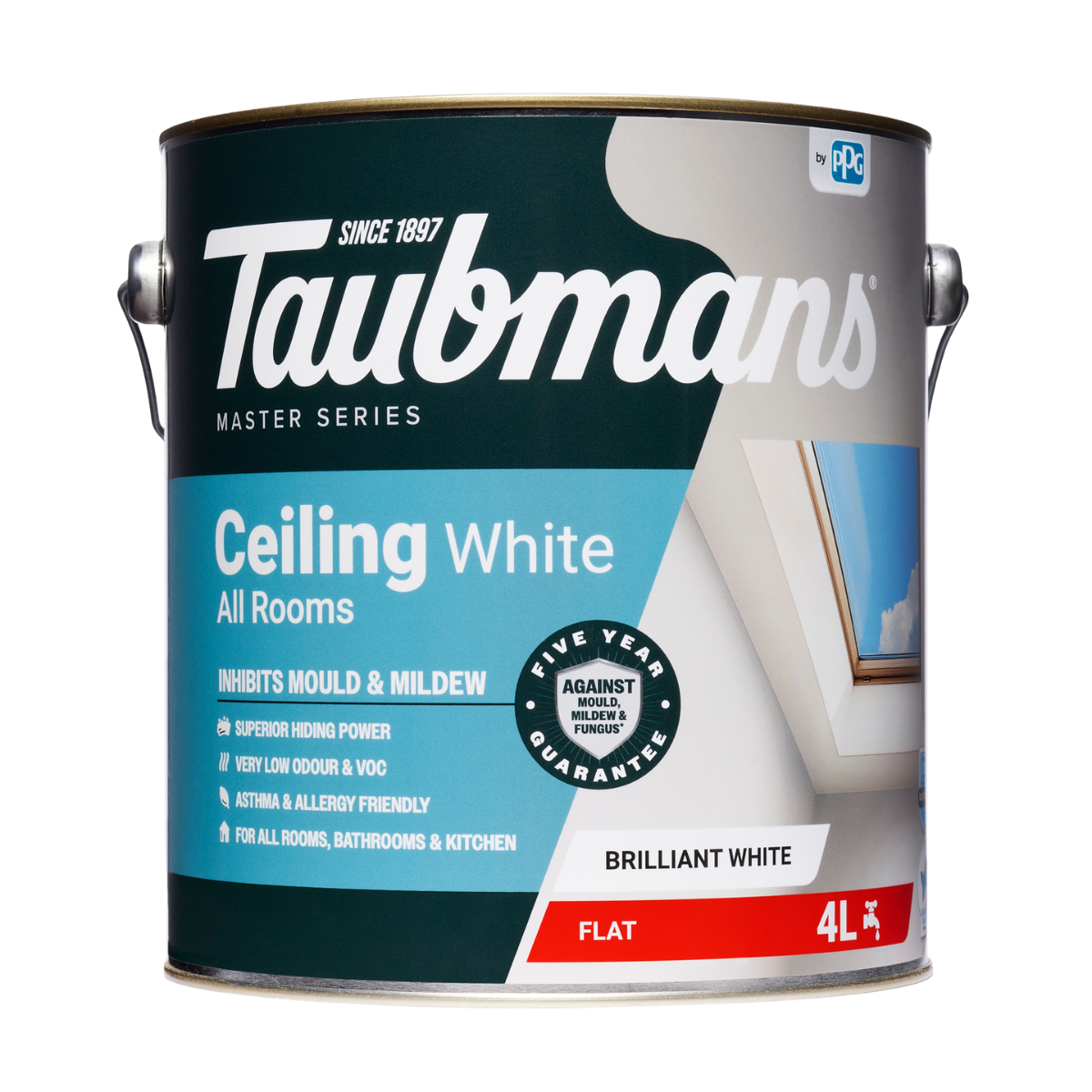
That’s why Taubmans’ Sensitive Choice® approved paints contain advanced anti-microbial properties that not only suppress existing mould but prevent further growth. They also come in low and very low-VOC varieties.
[ii] https://www.health.nsw.gov.au/environment/factsheets/Pages/mould.aspx
Taubmans Sensitive Choice® approved low-VOC products:

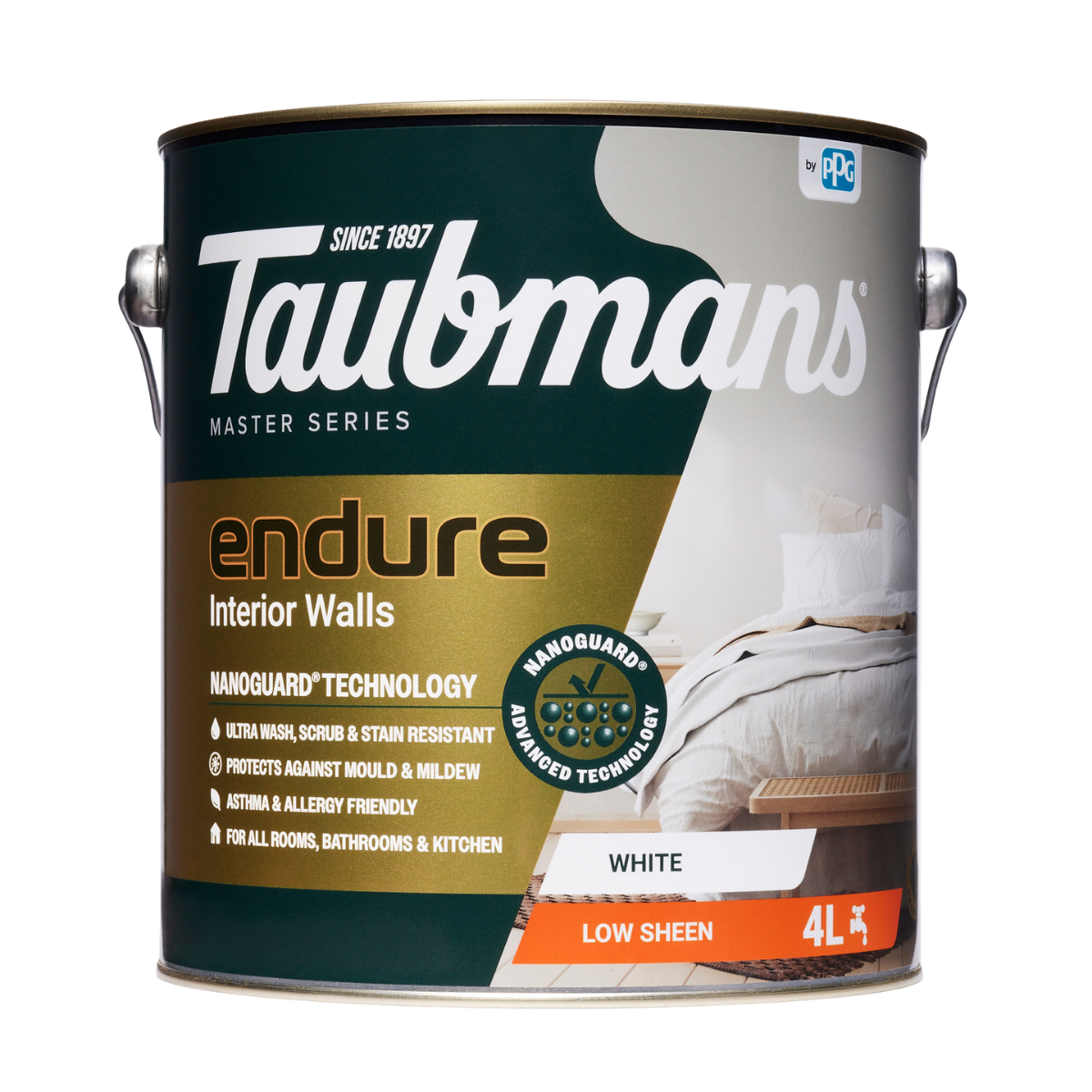
· Taubmans Endure Interior Walls
· Taubmans Pure Performance Walls